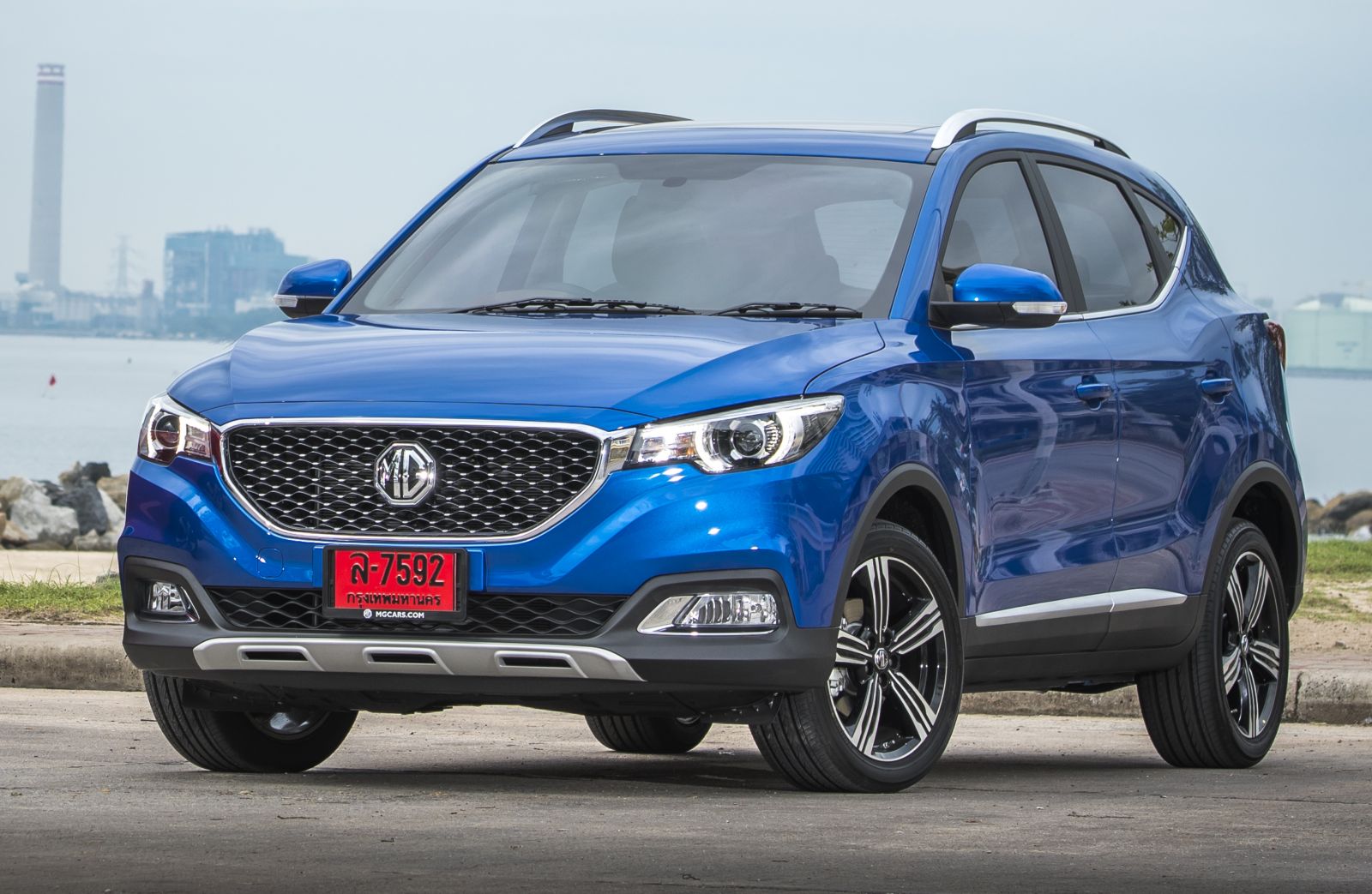
แน่นอนว่าเมื่อพูดถึงรูปแบบความคุ้มครองประกันรถยนต์ที่ได้รับความนิยมมากที่สุดและเป็นรูปแบบประกันรถยนต์ที่ดีที่สุดคงมองข้ามประกันชั้น 1 ไปไม่ได้เลยแน่นอนเพราะนี่เป็นรูปแบบประกันรถยนต์ที่ให้ความคุ้มครองครอบคลุมที่สุดแม้จะมีราคาเบี้ยประกันแพงที่สุดแต่ก็นับว่าคุ้มค่าคุ้มราคากับความคุ้มครองที่คุณได้รับดังนั้นจึงไม่ใช่เรื่องแปลกสำหรับใครที่กำลังมองหารูปแบบความคุ้มครองและตัดสินใจเข้ามาเลือกซื้อประกันชั้น 1 การเพิ่มมากขึ้นแน่นอนว่าหากคุณเป็นคนหนึ่งที่กำลังมองหารูปแบบความคุ้มครองให้กับตัวเองแต่ยังตัดสินใจไม่ได้ว่าจะเลือกซื้อรูปแบบประกันประเภทใดที่จะตอบโจทย์การใช้งานของตัวเองมากที่สุดวันนี้เข้ามาทำความรู้จักและเลือกซื้อประกันชั้น 1 กับเรารับประกันได้ว่ามันจะเป็นอีกหนึ่งรูปแบบความคุ้มครองที่ครอบคลุมที่สุดและดีที่สุดที่คุณไม่ควรมองข้ามเลยทีเดียว เลือกซื้อความคุ้มครองประกันชั้น 1 และแน่นอนว่าเมื่อคุณตัดสินใจจะเลือกซื้อรูปแบบความคุ้มครองประกันชั้นหนึ่งในเบื้องต้นคุณสามารถเข้ามาทำความรู้จักกับรูปแบบประกันชั้น 1 เหล่านี้ได้ที่หน้าเว็บรู้ใจเราเป็นเว็บขายประกันออนไลน์ที่คุณสามารถเข้ามาทำความรู้จักกับรูปแบบประกันที่คุณสนใจได้ในเบื้องต้นก่อนที่จะเลือกซื้อเพื่อที่จะช่วยทำให้คุณตัดสินใจได้ว่ารูปแบบประกันที่คุณสนใจนั้นเหมาะสมกับการขับขี่ของตัวคุณเองเหมาะสมกับความต้องการของคุณมากน้อยแค่ไหนซึ่งภายในเว็บรู้ใจของเราในรูปแบบประกันชั้น 1 นี้ก็มีหลากหลายรูปแบบความคุ้มครองให้คุณได้เข้ามาทำความรู้จักด้วยกันซึ่งแต่ละความคุ้มครองนั้นก็มีเอกลักษณ์และความน่าสนใจที่แตกต่างกันออกไปขึ้นอยู่กับตัวผู้เอาประกันเองว่าจะเลือกซื้อรูปแบบประกันแบบไหนให้กับตัวเองที่จะมั่นใจได้ว่าเป็นรูปแบบประกันที่ตอบโจทย์ความต้องการของตัวเองมากที่สุด โดยในเบื้องต้นรูปแบบความคุ้มครองที่คุณจะได้รับจากประกันชั้น 1 ก็คือความคุ้มครองในชีวิตและทรัพย์สินของผู้เอาประกันและบุคคลภายนอกความเสียหายที่เกิดจากอุบัติเหตุบนท้องถนนหรืออุบัติเหตุใดๆก็ตามความเสียหายที่เกิดกับรถยนต์ในกรณีที่รถยนต์ไฟไหม้รถยนต์ถูกขโมยหรือได้รับความเสียหายที่เกิดจากภัยพิบัติทางธรรมชาติคุณก็ยังคงได้รับความคุ้มครองตามเงื่อนไขกรมธรรม์ประกันชั้น 1 ที่คุณได้เลือกซื้อไว้จึงนับได้ว่ารูปแบบประกันชั้น 1[...]